
Author name: Brightstone

Virtual Reality
Careers, Coding and Robotics, Education

5 Surprising Careers Your Child Can Prepare for by Learning Coding Now

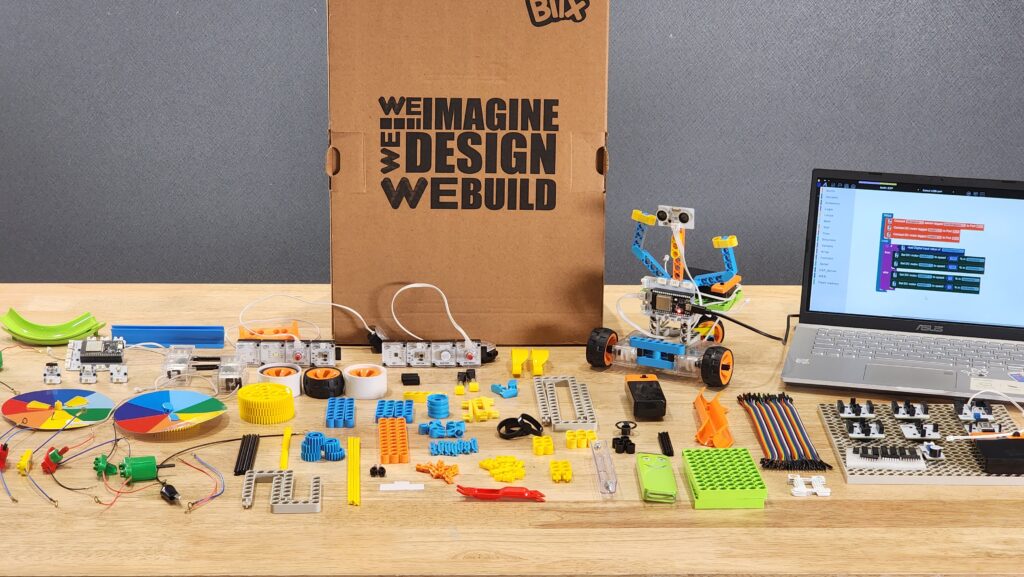
When most parents think about coding, they picture software engineers or tech support. But the truth is—coding is no longer limited to just the tech industry. In today’s digital-first world, learning to code opens the door to a wide variety of unexpected, exciting, and future-proof careers. At Brightstone Academy, we believe that by introducing children to coding early, we’re not just teaching them a skill—we’re unlocking entire career pathways they may never have considered. Here are 5 surprising careers your child can prepare for just by learning to code today. 1. Animator for Films, Games & Augmented Reality Think Disney, Pixar, or even your child’s favorite mobile games. Today’s animators don’t just sketch—they code. Many modern animation tools and visual effects engines like Unity and Unreal Engine rely heavily on programming logic. Coders who understand movement, timing, and interactivity are increasingly in demand in animation studios, game development firms, and AR/VR projects. Why it matters: Coding gives animators creative control, letting them bring characters and worlds to life using code-based behaviors and physics. 2. Fashion Tech Designer Yes, you read that right. Fashion meets tech in the world of wearable technology. Designers now embed microchips and sensors into clothing and accessories. From color-changing fabrics to smart jackets that heat themselves, fashion tech relies on coding to work. Why it matters: A young coder interested in design could one day be creating clothes that respond to the environment, track your health, or even interact with your phone. 3. Digital Music Producer Your child’s future as a hit music producer might depend more on Python than piano. Many music producers use coding languages like Max/MSP or Sonic Pi to create beats, automate instruments, and even generate soundscapes through algorithms. Coding enables musicians to build custom tools that traditional software can’t offer. Why it matters: Coding introduces logic-based creativity that transforms the way music is made, giving kids an edge in audio engineering and composition. 4. Architect of Smart Cities Tomorrow’s cities won’t just be built—they’ll be programmed. Urban design and architecture are increasingly intersecting with coding. Smart traffic systems, energy-efficient buildings, automated lighting, and environmental sensors all rely on embedded code. Why it matters: A child who codes today could become a city planner who not only designs structures but programs how they interact with their surroundings and the people inside them. 5. Digital Storyteller & Interactive Content Creator Books, blogs, and YouTube videos are evolving into interactive stories that respond to readers’ choices—just like in video games or virtual reality platforms. Coders who also love storytelling are now crafting digital experiences, simulations, and choose-your-own-adventure platforms where users make real-time decisions that shape the story. Why it matters: The next generation of authors might write code as fluently as they write sentences, blending narrative with logic to create immersive experiences. So, What’s the Common Thread? In each of these unexpected careers, coding: Enhances creativity Enables innovation Bridges industries Future-proofs your child’s skill set And more importantly—it allows them to become creators, not just consumers, of technology. Why Start Coding Early? At Brightstone Academy, we introduce students to coding from age 6 using fun, hands-on tools like Scratch, Python, and Blix Robotics Kits. Early exposure builds: Logical thinking Confidence with technology Curiosity for exploration And foundational skills for any career—tech or not The earlier your child starts, the more time they have to explore how coding connects to their unique interests, whether that’s music, fashion, storytelling, architecture, or entertainment. Ready to Unlock Your Child’s Future? Let Brightstone help your child build the skills—and imagination—they need for the careers of tomorrow. 👉 Visit brightstone.co.za to learn more or enroll in our next intake.
Education

Brightstone vs. Traditional Education: The 21st Century Advantage

Education is evolving—and fast. The 21st century demands more than memorizing facts or passing standardized tests. It requires critical thinkers, digital natives, problem solvers, and innovators. At Brightstone Academy, we aren’t just adapting to this future—we’re building it. In this blog, we explore how Brightstone’s approach to education offers a distinct and meaningful advantage over traditional models. 1. Learning Through Creation vs. Learning Through Consumption Traditional Education: Most classrooms still rely on textbooks, lectures, and rote memorization. Students passively absorb information and are rewarded for regurgitating it in exams. Brightstone Advantage: At Brightstone, students create, build, and experiment. From coding a mobile app to assembling a working robot, our learners are active participants. They’re not just learning about technology—they’re learning to shape it. 2. Real-World Skills vs. Theoretical Knowledge Traditional Education: Many traditional schools emphasize theory and abstract concepts, with limited connection to real-world applications. Subjects are often taught in isolation with little interdisciplinary relevance. Brightstone Advantage: We focus on practical, future-focused skills—coding, robotics, critical thinking, teamwork, and project-based learning. Our students build real solutions to real problems. Whether it’s programming a drone or creating a website, everything has direct relevance to the 21st-century job market. 3. Adaptive Learning vs. One-Size-Fits-All Curriculum Traditional Education: Most school systems follow rigid curriculums designed to teach the average student, often leaving behind those who learn differently or more quickly. Brightstone Advantage: We know that no two learners are alike. Our coding and robotics programs are adaptive, scalable, and personalized. Students progress at their own pace and can advance based on mastery—not age or grade level. 4. Soft Skills and Innovation vs. Standardized Testing Traditional Education: Success is often measured through exams. Unfortunately, this encourages test preparation over meaningful learning and leaves little room for creativity. Brightstone Advantage: We prioritize creativity, collaboration, communication, and confidence—skills that can’t be measured by a multiple-choice test. Through team projects, presentations, and hands-on tech challenges, our learners become creative thinkers and solution-seekers. 5. Tech Fluency from Day One vs. Occasional Exposure Traditional Education: In many traditional schools, technology is treated as a separate subject or only used occasionally in the classroom. Brightstone Advantage: At Brightstone, technology is the foundation of everything we do. From age 6 onward, our students are immersed in tech-based learning environments using industry-aligned tools like Blix Robotics Kits, Scratch, and Python. They become fluent in the digital language that defines our world. 6. Career Preparation Starts Early vs. Delayed Specialization Traditional Education: Career exploration typically begins in high school or later, often disconnected from the student’s actual interests or strengths. Brightstone Advantage: Our learners start developing career-aligned skills from the very beginning. Whether they pursue AI, engineering, entrepreneurship, or game design, they gain a head start while still having fun. 7. Empowered Learners vs. Passive Students Traditional Education: Students often follow a fixed path laid out for them by administrators and policymakers. Brightstone Advantage: We empower students to lead their own learning journeys. They make choices, take ownership of projects, and develop a sense of agency that fuels motivation and ambition. The Bottom Line: Brightstone Prepares Students for the Real World We’re not trying to replace the basics of traditional education—we’re redefining what “education” means in a tech-driven age. Brightstone Academy offers students a launchpad into a future filled with innovation, possibility, and purpose. Here’s what our students walk away with: Real coding and robotics experience Digital literacy that goes beyond typing The confidence to present ideas, lead teams, and create impact A strong foundation in critical and design thinking A mindset of curiosity, not conformity Join the Brightstone Movement If you want you or your child to do more than just keep up—if you want them to lead, invent, and thrive—then Brightstone Academy is the place to start. 👉 Visit brightstone.co.za to enroll or learn more about our programs.

Careers, Coding and Robotics

Why Every Child Should Learn Coding Before High School

In a world where technology touches every aspect of our lives—from how we communicate to how we solve global challenges—coding is no longer just a niche skill. It’s a language of the future. At Brightstone Academy, we believe that every child should learn how to code before they reach high school. Here’s why. 1. Coding Builds Logical Thinking and Problem-Solving Skills At its core, coding is about solving problems in a structured way. Children who learn coding early begin to understand how to break complex tasks into smaller, manageable steps. This boosts their analytical thinking and helps them tackle challenges not only in computer science but across subjects like mathematics, science, and even language arts. 2. Coding Encourages Creativity Far from being just lines of text on a screen, coding allows children to create something out of nothing—games, animations, interactive stories, robots, and more. With tools like Scratch and Blix Robotics Kits, students learn that they’re not just consumers of technology—they can be creators. This unleashes their imagination and encourages innovation at a young age. 3. Coding Develops Resilience and Confidence Learning to code involves trial and error. Code doesn’t always run smoothly, and that’s a good thing. It teaches students to embrace mistakes, debug problems, and try again—skills that develop grit and perseverance. Over time, as they solve increasingly difficult challenges, they gain the confidence to take on more and believe in their ability to succeed. 4. Coding Enhances Collaboration and Communication In group coding projects or robotics builds, children learn to collaborate and communicate effectively. Whether it’s explaining an idea to a teammate or working together to design a robot, students learn essential soft skills that prepare them for future teamwork and leadership roles in any field. 5. Coding Opens Up Career Opportunities Early By 2030, it’s estimated that 85% of jobs will require some level of digital skill. Children who learn coding early are far better positioned to pursue careers in: Software development Robotics and AI Engineering Game design Data science Even if they don’t become programmers, their coding foundation gives them a huge edge in understanding how the world works. 6. Coding Is the New Literacy Just as reading and writing were once considered the primary tools for understanding the world, coding is the new literacy. It’s a universal language that gives children the ability to interact with, control, and shape the digital tools around them. 7. Early Exposure Fosters Lifelong Passion Introducing coding before high school allows children to explore their interests without pressure. They can discover what excites them, whether it’s building apps, designing games, or constructing robots. This early exposure often ignites lifelong passions and shapes their future academic and career choices. How Brightstone Academy Leads the Way At Brightstone Academy, we offer a hands-on, future-focused approach to teaching coding and robotics. Using child-friendly platforms and real-world kits, like Blix Robotics, we empower students aged 6–15 to explore coding in a playful yet structured environment. Our programs don’t just prepare students for high school—they prepare them for the future. Final Thoughts The digital world is growing faster than ever, and the earlier children begin their journey into coding, the better prepared they’ll be to thrive in it. Don’t wait for high school—start now.

Scroll to Top